Home Contact Us Tip Us: [email protected]



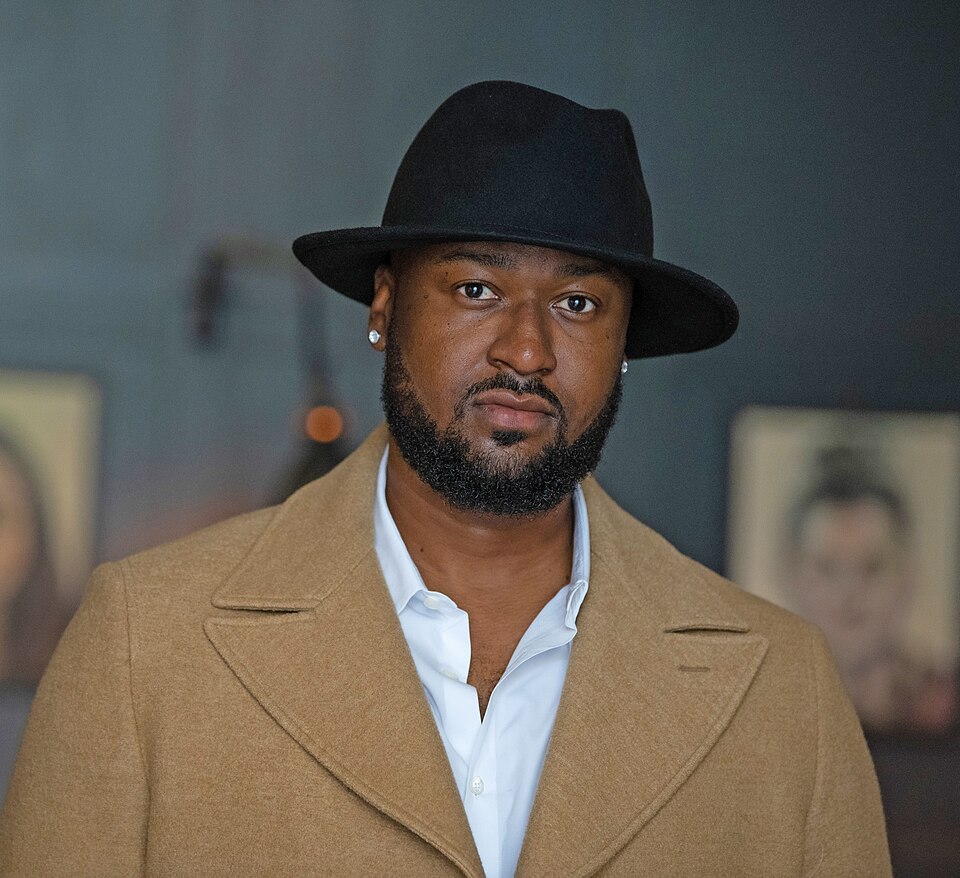
Italian-Nigerian singer and songwriter Charles Onyekachi Onyeabor has shared a poignant reflection on Nigeria in the wake of the recent accident involving world-renowned boxer Anthony Joshua.
Earlier, Tori News reports that Joshua was involved in a fatal road accident along the Lagos-Ibadan Expressway, which claimed the lives of two of his friends. The boxer, however, escaped death by a whisker.
Reacting to the incident, Onyeabor, on his Instagram page, wrote: “This Anthony Joshua situation got me thinking out loud once again. Thank God he is alive, and sincere condolences to the families of those who lost their lives.”
He went on to reflect on Nigeria’s persistent challenges, saying: “Whenever I say that Nigeria may never get better, people think I’m trying to downgrade the country or talk it down. But this is not about hate — it’s about reality. I have lived outside Nigeria for over two decades. During that time, instead of things improving back home, the situation has actually gotten worse. So when someone confidently tells me, ‘Nigeria will get better,’ I honestly ask myself — based on what evidence?”
Onyekachi lamented the nation’s inability to reflect on its problems: “The most painful part is this: anytime you try to state the obvious about Nigeria’s problems, or when a foreigner speaks the truth about the situation in the country, Nigerians don’t reflect, they attack, insult, and troll the person. We are very good at comparing ourselves against each other, but very bad at comparing our country with other countries.”
He criticized Nigerians for focusing on individual successes while ignoring systemic failures:
“We compare Burna Boy, Davido, and Wizkid every day, forgetting that all three are rich, successful, unique Nigerian artists who have already won. We compare Obi Cubana and Jowizaza. We argue about who has a Grammy and who doesn’t. But we refuse to compare Nigeria itself with other nations.”
Onyekachi highlighted the country’s infrastructural deficits: “Why don’t we compare a country with no constant electricity, poor road networks, bad hospitals and emergency services, lack of clean water and basic amenities, with countries where these things are normal, not luxury?”
He also criticized the nation’s focus on tribalism, religious division, online insults, and internal fighting rather than demanding better systems.
“Until we learn to accept truth, stop being defensive, and start holding systems accountable instead of worshipping individuals, nothing will change,” he wrote.
Onyekachi concluded: “This is not hate. This is not bitterness. This is an observation. As things stand today, it is hard to see Nigeria truly getting better again.”