Home Contact Us Tip Us: [email protected]







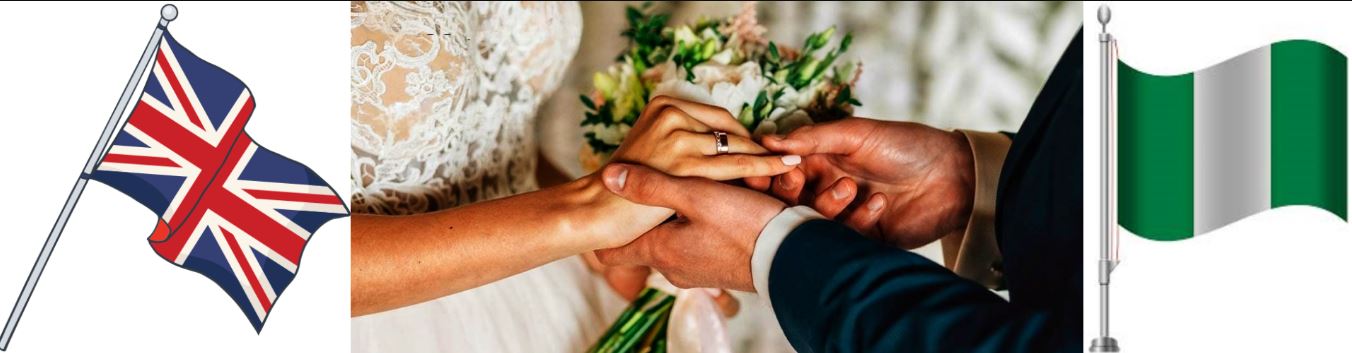
The Nigerian marriage institution is patriarchal in nature. It is a male-dominated system. The man is tagged as the head of the family, while the woman is the backbone. The backbone supports the head, which leads.
When former President Muhammadu Buhari was asked about his wife’s involvement in politics, he infamously said she belonged in the “kitchen and the other room (bedroom).” This statement exemplified the misogynistic nature of Nigerian society.
A man in Nigeria is a king, and his family is his empire. Most times, he is accorded great respect if he has the financial means. Sometimes, he cheats on his wife, and she feels helpless. In some cases, she may be physically abused. Since the man mainly takes care of the family’s finances, with the woman contributing little or nothing, it becomes difficult for her to leave. It becomes even harder when children are involved, and their welfare must be considered.
Nigerian society also frowns on divorce. A woman might lose everything if it happens. There is little legal framework to protect her and her children. Returning to her father’s house is seen as shameful. On religious grounds, Christianity forbids divorce. Additionally, divorced women are accorded less respect. Some unscrupulous men see divorced women as desperate or undesirable, labeling them as “second-hand” or “fairly used.” Their chances of remarrying become low, and people become overly judgmental when single mothers are presented as brides.
Considering all these factors, many women stay in marriages and smile like they are doing toothpaste advertisements. They pray for change, listen to relationship advisers, and hope for the best.
When you take a woman in this position to the UK, the situation changes. The labour market is more open to women, and sometimes they even have better opportunities than their husbands. Western marriage systems are seen as partnerships where equality is the norm. The system views women as vulnerable and offers them protection. If a man becomes violent, she can call the police and have him removed. There is a legal framework to compel child support payments. A man can lose his home through legal processes. Women can also access immigration and welfare benefits after divorce. Even then, society rarely judges them negatively; instead, they are often seen as strong women who stood up to oppression. Divorce is normal in this part of the world. In 2023, there were 102,678 divorces granted in England and Wales — about 100,000 marriages ending each year.
This reality motivates women to demand equal power and order in marriage. Some even push further.
Most times, African men still pay most household bills but have little say in home affairs. The king of yesterday loses his authority and power. He is easily challenged in his own palace. Frustration sets in, and he becomes toxic. Life in the UK can be boring and lonely. There is often no one to talk to, as everyone is too busy. Work can be competitive and stressful. The cold weather discourages social life. The man runs on empty emotionally, and his home — which should recharge him — becomes another battleground. His mental health suffers. To avoid doing something he may regret, he walks away from the marriage.
The UK did not break these marriages; it gave women power and leverage, and they exercised them. The system simply exposed fragile arrangements. Any man humble and adaptable enough to accept these new realities can still save his marriage.
***
Osahon Osayimwen writes from England.
***
NOTE:
The views and opinions expressed in this article are those of the author and do not necessarily reflect the views, opinions, or editorial stance of this platform. We do not endorse or take responsibility for all statements made within contributed content.