Home Contact Us Tip Us: [email protected]







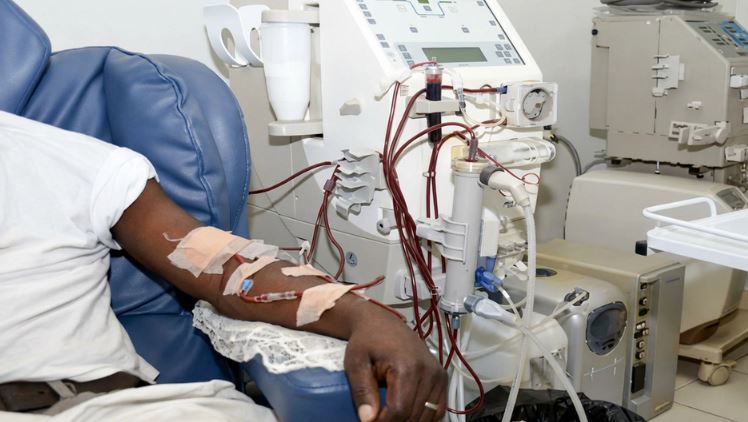
The Nigerian Association of Nephrology (NAN) has raised concerns that about 11 percent of Nigerians are living with kidney disease, warning that the rising trend poses a serious public health challenge requiring immediate and coordinated intervention.
The disclosure came at a news conference in Maiduguri following the conclusion of NAN’s four-day Annual General Meeting and Scientific Conference, convened to address the rising burden of kidney disease and develop practical, sustainable solutions for prevention, treatment, and care.
Speaking at the event, Prof. Jacob Awobusuyi, National President of NAN, expressed deep concern over the increasing prevalence, noting that the statistics indicate one in every 10 Nigerians is affected. He emphasised that this underscores the scale of the challenge facing Nigeria’s healthcare system and the urgent need for nationwide intervention.
Prof. Awobusuyi explained that the conference brought together nephrologists, nurses, other healthcare professionals, traditional leaders, and key stakeholders in renal care, creating a robust platform for scientific exchange, skills development, and policy dialogue.
“The conference has provided an opportunity to examine innovative approaches to dialysis and kidney transplantation, preventive nephrology, community-based screening, task-shifting, and the development of sustainable financing models for renal care,” he said.
He noted that the theme, “Kidney Health in a Resource-Limited Environment,” was particularly timely, allowing participants to share experiences and devise strategies to deliver effective care amid infrastructural and financial constraints.
Highlighting the burden of chronic kidney disease among women, Prof. Awobusuyi described it as a critical but often overlooked public health issue. He said women face unique biological, social, and economic challenges that limit their access to timely and adequate kidney care. “Pregnancy-related kidney disorders, autoimmune diseases, delayed presentation, and financial dependency all contribute to poorer outcomes for women,” he said, adding that addressing these disparities reaffirms the Association’s commitment to gender-sensitive, equitable, and inclusive renal healthcare.
The National President also noted that participants explored how digital health solutions, partnerships, and local innovations could be leveraged to expand access to renal services nationwide, particularly in underserved communities.
Also addressing the conference, Prof. Ibrahim Ummate, Chairman of the Local Organising Committee and Director of the Kidney Centre at the University of Maiduguri Teaching Hospital, identified hypertension and diabetes as the leading causes of kidney disease in Nigeria. He additionally cited habitual use of herbal or traditional medicines, indiscriminate consumption of over-the-counter drugs, skin-bleaching creams, and exposure to pesticides and insecticides sprayed on food items as contributing risk factors.
Prof. Ummate warned Nigerians with such lifestyle or environmental risk factors to exercise greater caution. “Continued exposure significantly increases the likelihood of developing kidney disease,” he cautioned, urging individuals to adopt healthier practices and seek medical advice early.
The conference, according to NAN, represents a strategic step in building awareness, strengthening clinical capacity, and fostering collaboration among health professionals and stakeholders to combat the growing kidney disease epidemic in Nigeria.
By focusing on prevention, early detection, and equitable access to care, the Association said it aims to reduce the burden of kidney disease, improve patient outcomes, and ultimately protect the nation’s health.