Home Contact Us Tip Us: [email protected]







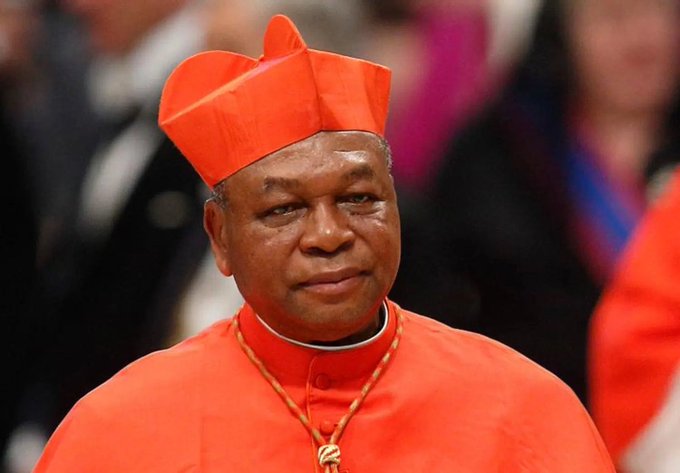
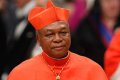
(Cardinal John Onaiyekan. Photo by Vanguard News)
Judges have become too powerful in Nigeria's elections and that spells trouble for democracy.
That was the overwhelming message yesterday at the 22nd All Nigeria Editors Conference held in Enugu, where top voices including a cardinal, a former lawyers' association president and a political economist all raised alarms about how courts are now the real battleground for deciding who governs the country.
The concern boils down to this: voters pick candidates at the polls, but then lawyers and judges end up determining the actual winners through endless court battles.
Cardinal John Onaiyekan warned that elections should be decided by citizens, not by judges ruling on technicalities.
He noted that the judiciary was meant to handle disputes that arose from elections, not to replace voters themselves.
When elections are properly run, he said, there should be little reason for petitions and tribunal cases. Instead, Nigeria has flipped this around.
The courts now effectively choose winners while expensive lawyers exploit legal loopholes to drag cases out indefinitely.
This has damaged public trust in the courts at a time when Nigerians need to have confidence in their institutions.
Onaiyekan pushed for reforms including special tribunals that must finish election cases before winners are sworn in, changes to how electoral commissioners are appointed to ensure they're truly independent, and a rule that candidates get votes counted fairly before taking office and using government resources to fight in court.
Former lawyers' association president Mazi Afam Osigwe added his voice, noting that Nigeria now ranks among countries with the highest number of election petitions.
He worried that voters might not even realize their decisions matter anymore if courts keep overturning what ballots decided.
The way evidence is handled in these cases is also problematic, especially when new technology like biometric systems are involved.
Courts should be clearer about what electronic evidence actually proves.
Political economist Prof. Patrick Utomi warned that weak institutions don't just damage elections.
They undermine entire countries.
When abnormal practices become normal, he said, people lose faith in legitimate ways to resolve problems and the country heads toward collapse.
The conference also sounded the alarm over artificial intelligence.
Fabricated videos, deepfake audio and fake documents can make lies look completely believable.
Enugu State governor Peter Mbah urged journalists to make fact-checking permanent practice.
The Information Minister emphasized that verification must come before publishing and warned against mistaking speed for accuracy.
Officials in attendance included the INEC chairman and governors, underscoring how seriously these concerns are being taken ahead of the 2027 elections.