Home Contact Us Tip Us: [email protected]





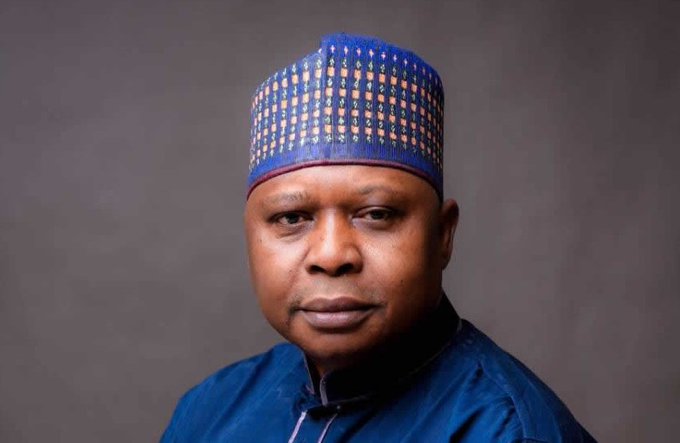
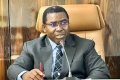
(Taminu Turaki. PHOTO CREDIT: The Guardian Newspaper)
A faction of the Peoples Democratic Party led by former Minister of Special Duties and Inter-Governmental Affairs, Kabiru Turaki, has warned Nigerians not to trade their votes for money, rice, spaghetti or other gifts during elections.
He said this at the second Bala Mohammed Colloquium in Bauchi, held to mark the 68th birthday of Bauchi State Governor Bala Mohammed.
Turaki said voters should pick candidates based on their ability to give good representation and help national development.
He said the quality of leaders depends largely on the choices voters make.
According to him, a country gets the leaders it deserves, because they only emerge when people choose them or let them emerge.
He said some people vote for bad leaders while others refuse to vote at all, and both groups let bad leadership in.
Turaki also took a swipe at the current National Assembly, calling it a rubber stamp legislature.
He said Nigeria once had lawmakers who represented their people well, and that a weak legislature is bad for the country because there are no checks and balances on the executive.
He urged young people to take part in politics and governance as real stakeholders, and not as decoration or numbers.
He asked when the so-called tomorrow of youths will come, and said the future cannot be planned without them.
He thanked Governor Mohammed for making youth inclusion a priority, saying it is clear even in his choice of preferred successor.
The warning comes as vote buying remains common in Nigerian elections, with politicians sharing cash, rice, cooking oil, spaghetti and other items, especially in communities facing hardship.
Electoral observers and civil society groups say it weakens voters' freedom to choose.
The Electoral Act makes it a crime to give or receive money or any valuable item to influence a vote, but the practice has continued, and it has been linked to poverty and economic hardship.