Home Contact Us Tip Us: [email protected]






(NCS. Photo by The Guardian Nigeria News)
The Nigeria Customs Service has finalized plans to upgrade its B’Odogwu digital platform the main online system used to process and clear goods coming into and leaving the country to make importing and exporting faster, smoother, and easier to track.
The plans were created during a three day meeting, where the team and its tech partners spotted what was not working well and agreed on how to fix it.
A key outcome is the plan to replace 200 old electronic cargo tracking seals with 2,000 newly bought units.
The upgraded Electronic Cargo Tracking System will also be linked to the Bodogwu platform.
Reports say these steps should make it easier to monitor bonded cargo, reduce the risk of goods being diverted and improve accountability for goods moving through customs controlled transit routes.
The workshop ran from November 9 to 11, 2026, at the Corinthia Hotel in Lisbon, Portugal.
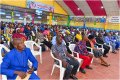
It brought together customs management and officers, Trade Modernisation Project Limited and CB XP representatives to review how the system is working and agree on improvements.
In a statement issued on Wednesday, the service said the talks focused on making the platform more efficient, strengthening customs processes and mapping out a roadmap for future development.
At the opening, Deputy Comptroller General of Customs in charge of ICT Modernisation, Oluyomi Adebakin, praised Comptroller General Adewale Adeniyi for backing technology and skills development in the service.
Jummai Umar Ajijola, Managing Director of Trade Modernisation Project Limited, spoke on behalf of the company's chairman, Saleh Ahmadu.
She said the platform has drawn interest from the African Continental Free Trade Area Secretariat.
She added that upgrades to the system have helped raise revenue and strengthen the country's revenue collection framework.
She said the review was a chance to assess the platform's performance three years after it was introduced, and to set a clear direction for future improvements.
She also thanked the NCS Public Relations Unit for its regular reporting on the project.
The workshop identified several areas that need work.
These include automating the approval of customs procedure codes and speeding up the processing of import, export, re importation and transit declarations.
Participants also agreed to standardise procedure code naming across customs operations, to make work more consistent and accountable.
Under the proposed cargo tracking changes, individual containers linked to transit declarations will be monitored more closely.
Bond registration and validation will also be tightened, which should cut down on diversion of goods, a long running problem in transit operations.
Participants also looked at linking the Bodogwu platform with the Nigeria Export Processing Zones Authority, to improve how transactions in export processing zones are handled and monitored.
Other planned upgrades include improvements to the Transire Processing System, such as a better reporting dashboard, more useful search filters and a search function for Harmonised System codes.
Officers may also be able to pull up previously processed declarations, and the system will send alerts to help cut down on processing errors.
The workshop agreed to add Time Release Study requirements to the platform.
This international tool measures how long cargo takes to clear customs and helps spot delays.
Participants also reviewed the standard operating procedures for bond management, transire commands and export commands, to make sure they follow the Nigeria Customs Service Act 2023.
They decided that every request to change the Bodogwu platform must be reviewed and approved by the Officer in Charge of the Project Management Office before it goes live.
The aim is to give closer oversight and make sure changes are properly assessed first.
At the closing ceremony on November 11, Deputy Comptroller General of Customs in charge of Finance, Administration and Technical Services, Kikelomo Adeola, stressed the need to turn the workshop's decisions into real improvements.
Customs Area Controller Comptroller Murtala Mu'azu also made a presentation, and CB XP Chairman Edward Bowen gave a goodwill message.
The service said specific tasks have been given to relevant NCS and TMPL units to make sure the agreed decisions are carried out.
The move is part of Nigeria's wider push to modernise customs through technology.
Faster cargo clearance, easier trade, tighter border controls and more revenue are among the main goals.