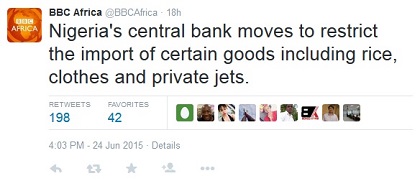
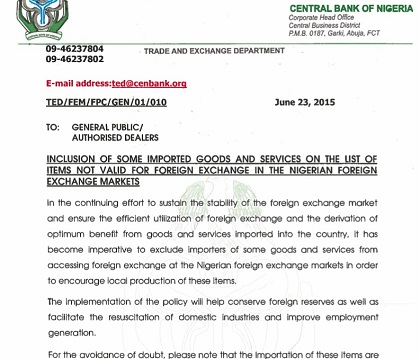
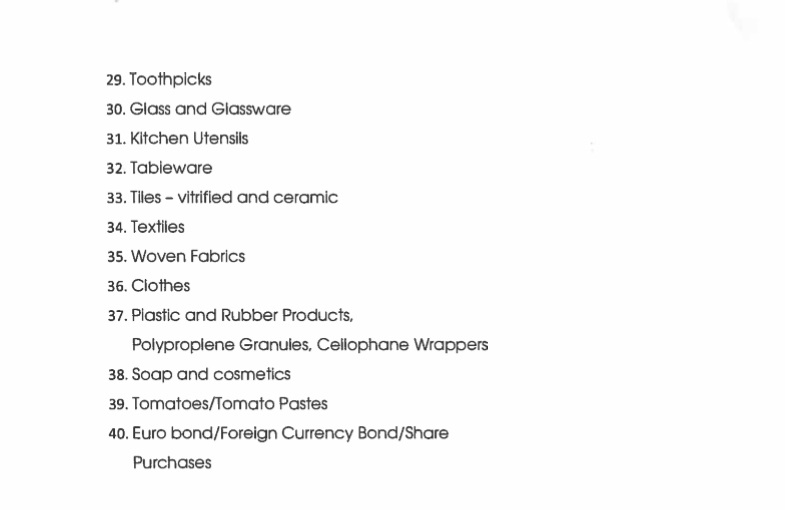
The Central Bank of Nigeria is stopping the importers of certain goods from accessing foreign exchange to help stabilise the foreign exchange market and encourage local production.
As a result of the dwindling value of the Naira due to the fall in oil price, the Central Bank of Nigerian (CBN) in an open letter to the general public, authorized dealers and importers, has imposed new foreign exchange controls to try to stem the flow of dollars out of the country.
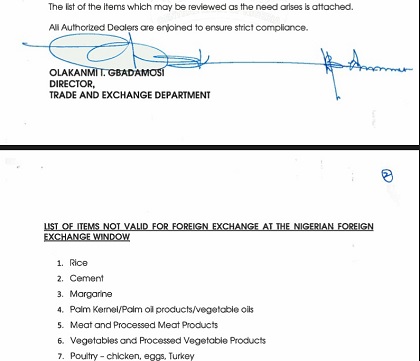
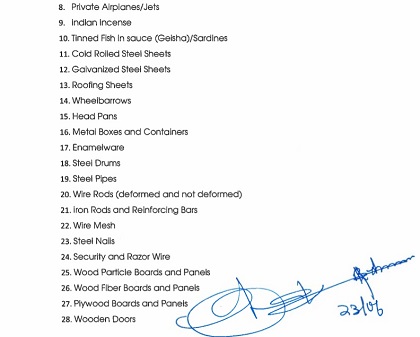
It means importers will not be able to get hard currency to buy a list of 40 items which includes Indian incense, plastic and rubber products, cosmetics, private jets rice, cement and many more. It has also restricted access to the interbank currency market for the purchase of foreign currency bonds.
"We see this policy move as confirmation that foreign exchange supply remains extremely tight. But more worryingly, it suggests that the central bank remains reluctant to devalue the naira," said Yvonne Mhango, sub-Saharan Africa economist at Renaissance Capital.
Analysts said the latest measures meant importers would increasingly turn to the black market to buy dollars.
Cobus de Hart of South Africa's NKC Africa Economics said, "The decision to, in effect, introduce additional capital controls does not bode well in relation to investor perception and may also adversely affect domestic business operations and costs."
Letter: courtesy of BBC Africa
 Home
Home