Home Contact Us Tip Us: [email protected]



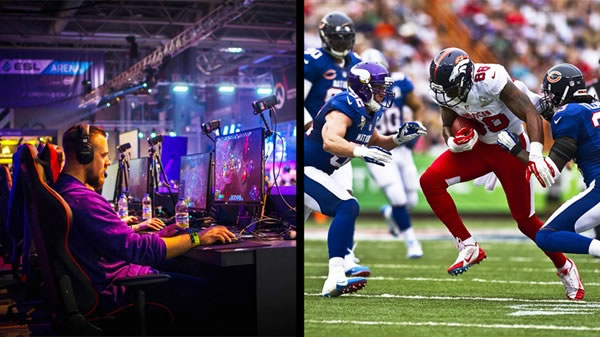
In recent years, esports has transformed from a niche hobby into a global phenomenon capable of filling stadiums and attracting millions of viewers. This rapid rise has sparked constant debate: how do competitive video games compare to traditional sports that have existed for decades or even centuries? Although the two appear very different on the surface, a closer look reveals surprising similarities as well as important distinctions.
Traditional sports rely heavily on physical performance. Strength, endurance, speed, and technique form the core of competition. Athletes spend years improving their bodies and mastering movement patterns required in sports such as football, basketball, or athletics.
Esports, on the other hand, shifts the focus toward cognitive and fine-motor skills. Professional players must develop exceptional reaction times, precise hand–eye coordination, strategic decision-making, and the ability to process large amounts of information in seconds. While esports athletes do not face the same physical intensity as traditional athletes, their training routine is no less demanding. Many professionals practice eight to twelve hours a day, refining mechanics, developing team synergy, and studying opponents.
The modern esports industry mirrors the structure of traditional sports in many ways. Professional teams now employ coaches, analysts, psychologists, and nutritionists. Players follow strict schedules, review gameplay, and prepare for tournaments with the same seriousness seen in football clubs or basketball organizations.
Traditional sports maintain a longer history of organized training and development systems. Youth academies, professional leagues, and international competitions have existed for generations. Esports is still building these structures, but it is rapidly catching up as universities, organizations, and investors create sustainable development pathways for new talent. And for those who prefer to focus solely on placing bets, 1xBet https://betsomalia.net/registration/ offers a broad selection of odds on both major esports tournaments and traditional sports disciplines.
Traditional sports remain dominant in global culture. Events like the World Cup, the Olympics, and the NBA Finals attract billions of viewers and have deeply rooted fan traditions.
Esports, however, has become incredibly popular among younger generations. Tournaments for games like League of Legends, Dota 2, Counter-Strike, and Valorant draw massive live audiences and record-breaking online viewership. Streaming platforms allow fans to follow their favorite players daily, creating a level of accessibility that traditional sports rarely match.
Interestingly, esports often transcends geographical boundaries more easily than traditional sports. A player from any country can compete at the highest level with nothing more than a computer, stable internet connection, and enough skill.
Traditional sports carry higher physical injury risks — torn ligaments, fractures, and muscle damage are common. However, athletes who maintain their conditioning can enjoy long careers, often extending into their 30s or 40s depending on the sport.
Esports athletes face different challenges. Extended screen time, repetitive movements, and constant mental pressure can lead to eye strain, wrist injuries, and burnout. As a result, many esports players retire earlier, often in their mid-20s. Yet, the industry provides alternative career paths such as coaching, streaming, or analysis, allowing retired professionals to remain active within the scene.
In top-tier traditional sports, the financial rewards are enormous. Star athletes sign multimillion-dollar contracts, sponsorship deals, and endorsements.
Esports prize pools and salaries have grown rapidly, with some championships offering millions in winnings. Sponsorships, brand partnerships, and streaming platforms create additional income streams for players. While esports revenue does not yet match the financial scale of sports like football or basketball, it is expanding quickly and attracting major global brands.
Traditional sports have shaped culture for centuries. They promote teamwork, discipline, and national pride. Communities rally behind local teams, and sporting events create shared experiences across generations.
Esports fosters community in a unique way. Because competition happens online, fans from different countries can support the same team or player. Online forums, streaming chats, and social media communities help connect millions of fans daily. Esports also resonates with digital-native generations who grew up playing video games and see competitive gaming as a natural extension of their interests.
The comparison between esports and traditional sports reveals that both worlds share core values: competition, discipline, teamwork, and the pursuit of excellence. Traditional sports remain deeply rooted in physical performance and historical legacy, while esports represents a fast-growing digital frontier built on technology and strategic gameplay. Rather than replacing one another, the two forms of competition are evolving side by side — appealing to different audiences yet united by the same spirit of competitive achievement.