A statement from the European Food Safety Authority says The European Union has banned some food exports from Nigeria.
The Nigerian nation that desperately need to expand its export basket to boost domestic agricultural activities and create jobs, has suffered a major setback as the European Union has suspended some agricultural food exports from Nigeria, reports The PUNCH.
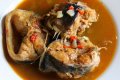
Among the food items banned from Europe till June 2016 includes beans, sesame seeds, melon seeds, dried fish and meat, peanut chips and palm oil.
According to the European Food Safety Authority, the rejected beans were found to contain between 0.03mg per kilogramme to 4.6mg/kg of dichlorvos pesticide, when the acceptable maximum residue limit is 0.01mg/kg. The embargo is a reflection of our inability to adhere to global standards, and this has come to haunt us at the international level again. Overturning the ban requires a firm approach to enforcing standards at all times.
For some time, the EU has been warning Nigeria that the items constitute danger to human health because they “contain a high level of unauthorised pesticide.” The pesticide is applied when the products are being prepared for export.
The EU said it had issued 50 notifications to Nigerian beans exporters since January 2013. It is baffling that the Nigerian authorities didn’t take any significant steps to reverse the situation. Likewise, the United Kingdom also issued 13 border rejection alerts to Nigerian beans exporters between January and June 2015.
The excuse by Paul Orhii, the Director-General, National Agency for Food and Drug Administration and Control that exporters caused the problem by not complying with regulatory requirements for semi-processed and processed commodities is untenable.
The ban on Nigerian foods provokes some questions. First, how do we preserve the foods that we eat locally? Second, how safe are the foods we import into the country? With our predilection for manipulating the system, Nigerian consumers might be susceptible to poisonous food imported from overseas.
 Home
Home