Reports from a public inquiry into the killing of former Russian spy, Alexander Litvinenko, has revealed an alleged involvement of the Russian president Vladimir Putin.
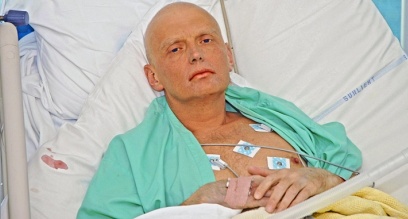
Late Alexander Litvinenko
The much-anticipated findings of a public inquiry into the killing of former Russian spy Alexander Litvinenko, have been released by a judge, Sir Robert Owen.
Mr Litvinenko died aged 43 in London in 2006, days after being poisoned with radioactive polonium-210, which he is believed to have drunk in a cup of tea.
Two Russian men, Andrei Lugovoi and Dmitry Kovtun, have denied killing him.
However, the report as released by the judge of the inquiry says the operation to kill Litvinenko was probably approved by Nikolai Patrushev and President Putin.
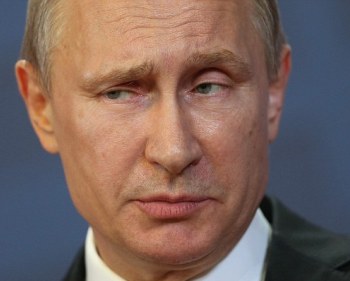
Russian President, Vladimir Putin
Owen’s report said: “I am sure that Mr Lugovoi and Mr Kovtun placed the polonium 210 in the teapot at the Pine Bar on 1 November 2006”.
It added that it was “probable” Lugovoi poisoned Litvinenko under direction from the FSB, with Dmitry Kovtun “also acting under FSB direction”.
Lugovoi, who is now an MP with a nationalist political party, said: “The allegations against me are absurd,” writes Shaun Walker.
He added: “As we expected, there was no sensation. The results released to today just show London’s anti-Russian position once again; the narrow-mindedness and lack of desire among the British to find the real reason for the death of Litvinenko.”
“The 2014 events in Ukraine, which coincided with the resumption of the investigation into the Litvinenko case even though previously it had been declared secret, look like a pathetic attempt by London to use a ‘skeleton in the cupboard’ to support their political ambitions. I hope this ‘polonium process’ will once and for all dispel the myth about the impartiality of British justice.”
The former officer, Alexander in Russia's FSB spy agency had fled to the UK in 2000, claiming persecution, and was granted asylum.
He gained British citizenship several years later.
In the years before his death, he had worked as a writer and journalist, becoming a strong critic of the Kremlin.
It is believed he also worked as a consultant for MI6, specialising in Russian organised crime.
 Home
Home