Home Contact Us Tip Us: [email protected]



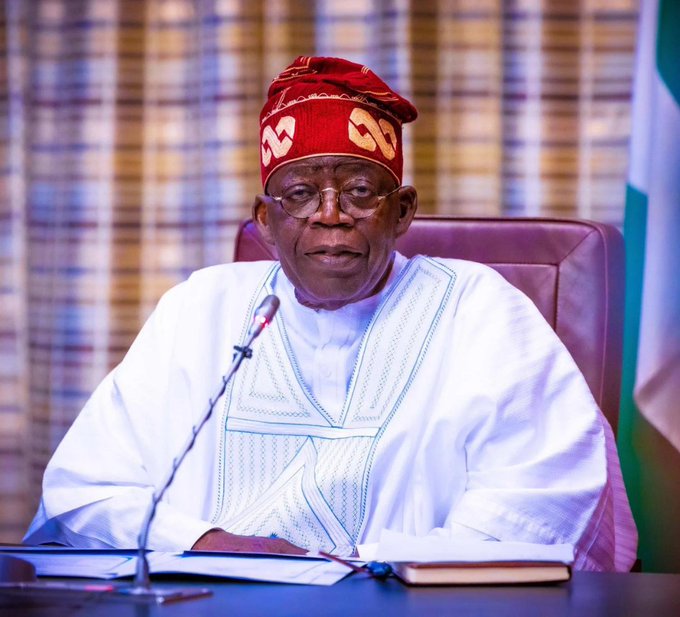
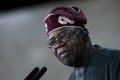
(President Bola Tinubu. Photo Credit: TVC News)
President Bola Tinubu and state governors have reached an agreement to bring down transportation costs across Nigeria starting October 1, 2026.
The plan relies on using cheaper compressed natural gas and electric vehicles to reduce fares.
Tinubu announced the decision after meeting with the Governors' Forum on Thursday.
He said the governors had independently decided to take action to lower the cost of transport in their states.
The Federal Government is backing the initiative through the Presidential CNG Initiative.
More than 120,000 vehicles have already been converted to CNG nationwide, with over 100,000 additional conversion kits being prepared.
The government is expanding conversion centres and refuelling stations across the country.
Through the Midstream and Downstream Gas Infrastructure Fund, the government is financing more than 100 gas projects, including 15 CNG mother stations and 86 daughter stations.
Tinubu commissioned four of these projects in May including a 15-station refuelling network in Lagos and an Abuja facility capable of serving 1,000 cars and tricycles and 50 trucks and buses daily.
He has directed the rollout of an additional 500 CNG refuelling stations nationwide, bringing the total planned rollout to 1,000 stations.
Vehicles powered by CNG use between 60 and 80 percent less fuel than petrol-powered vehicles.
The government's target is for Nigerians to start seeing the benefit of these savings through cheaper transport fares by October 1.
Tinubu said intra-state transportation is where Nigerians feel costs most directly and where state governments control the main levers.
The Federal Government and state governments have agreed to establish a joint committee to begin implementing the measures immediately.
"From October 1, our goal is that Nigerians begin to partake in those savings through lower transport fares.
We have agreed that cheaper fuel should result in cheaper fares," the president said.
The Nigeria Governors' Forum backed the National Affordable CNG Transit Programme, which aims to reduce transport fares and ease the impact of fuel subsidy removal on people.
The programme would involve state support for CNG vehicle conversions and infrastructure, alongside fare commitments from transport operators.
A Bayelsa State governor explained that reducing transportation costs would have a multiplier effect across the economy.
When transport costs fall, traders pass the savings on to customers through lower prices for goods like food.