Home Contact Us Tip Us: [email protected]




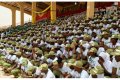
(State Bans. Photo by Nation News)
Several state governments across Nigeria have moved to ban or restrict extravagant graduation ceremonies in elementary and basic schools, citing concerns over the financial burden such events place on parents and guardians, with the policy drawing mixed reactions from the public.
The Federal Government had set the tone by banning graduation ceremonies for nursery, kindergarten, and other pre-primary pupils nationwide, with the directive announced in January alongside a new policy mandating the use of high-quality textbooks designed to last between four and six years.
Several states have since taken similar steps. The Ogun State Government directed all public and private schools to discontinue graduation ceremonies and end-of-session parties, in a circular issued by the directorate of education on behalf of the ministry's permanent secretary.
The Kogi State Government restated its ban on excessive graduation ceremonies in nursery, primary, and junior secondary schools, warning that defaulting institutions risk closure, and also reaffirmed its prohibition of sign-out ceremonies by graduating undergraduates.
The Delta State Government reminded private school owners of an outright ban on graduation parties and all associated end-of-session celebrations, warning that institutions found flouting the directive could face closure for up to five years.
The ban in Delta State was originally announced in September 2025, with the government describing the trend as an unnecessary financial burden on families.
Similar restrictions have also been enforced in Benue, Ondo, Osun, Imo, Edo, Ekiti, Kaduna, Niger, Ebonyi, and Abia states.
While supporters of the policy argue that it shields financially struggling families from added pressure, critics contend that banning such ceremonies diminishes the recognition of important academic milestones in a student's life.