Home Contact Us Tip Us: [email protected]



.jpeg)
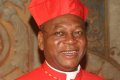
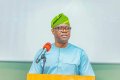
(John Cardinal Onaiyekan. Photo by Posh Reports)
According to John Cardinal Onaiyekan, Archbishop Emeritus of Abuja, President Bola Ahmed Tinubu was not visited by the Catholic Bishops' Conference of Nigeria (CBCN) in an attempt to convert him to Catholicism.
In response to remarks made by government representatives during a recent meeting between the President and the Catholic bishops, Onaiyekan provided the clarification.
According to the priest, the bishops' conversation with Tinubu was on matters pertaining to the nation and the well-being of Nigerians rather than religious conversion.
Onaiyekan reacts to the presidency
The move came after Onaiyekan's remarks about the Tinubu administration were criticized by government officials.
According to the Archbishop Emeritus, the Catholic bishops had little interest in holding a protracted public discussion with government representatives.
According to him, the bishops have an obligation to speak out on national problems and share their opinions on topics that impact Nigerians.
Why the meeting was important
The conversation between the president and the Catholic bishops took place in the midst of ongoing discussions about Nigeria's economic status, level of insecurity, and the course of governmental initiatives.
Onaiyekan has continuously spoken out on national concerns, such as security, government, and citizen welfare.
As a result, his most recent response situates the bishops' interaction with the presidency in the larger framework of their responsibility to comment on issues that impact the nation.
The relationship between the Catholic Church and government
The conversation about the relationship between religious organizations and the government has also been revived as a result of the exchange.
Catholic leaders have persisted in voicing concerns about matters they feel need government attention, notwithstanding the President's defense of Tinubu's record and policies.
According to Onaiyekan's most recent comments, the bishops plan to continue concentrating on national issues rather than having direct conversations with government representatives.