Home Contact Us Tip Us: [email protected]



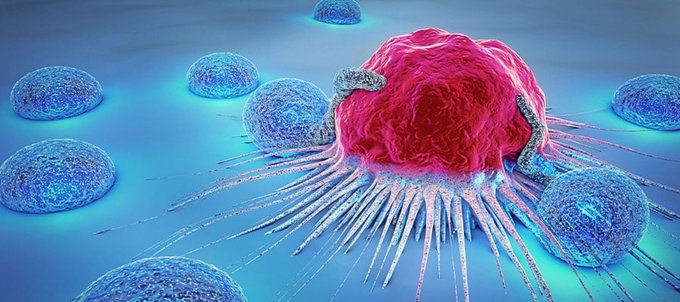
(Cancer Research. Photo by Tribune Online)
A recent scientific assessment reveals that eating big amounts of chili peppers on a daily basis may dramatically raise the risk of oesophageal cancer, disputing the widely held idea that a love of spicy foods is innocuous.
Researchers examined data from 14 observational studies involving over 11,000 participants and discovered that those who ingested the most chili peppers were 64% more likely to get gastrointestinal malignancies overall.
The strongest link was to esophageal cancer. Heavy chilli pepper consumers were approximately three times more likely to get the condition than those who consumed the least amount.
The results, published in Frontiers in Nutrition, were less conclusive for stomach and colorectal cancer.
Although high chili pepper consumption was connected with an increased risk of stomach cancer, the difference was not statistically significant, and no substantial link was discovered with colorectal cancer.
Scientists have long been fascinated with capsaicin, the chemical responsible for the spiciness of chili peppers.
Laboratory studies indicate that it may reduce inflammation and perhaps kill certain cancer cells.
Other research suggests that under some situations, it may induce tissue inflammation or possibly tumor formation.
These contradicting findings have sparked years of discussion about whether spicy foods improve or hinder long-term health.
Researchers believe the esophagus is particularly vulnerable because repeated exposure to excessively spicy foods might irritate its fragile lining over time.
However, they emphasize that this is only a theory, not a verified biological mechanism.
The researchers also emphasized that their study found a connection, not a cause-and-effect link.
Because all of the studies examined were observational, additional factors such as smoking, alcohol intake, dietary habits, infections, and socioeconomic status may have contributed to the increased cancer risk.
One of the most important outstanding problems is whether moderate chili pepper use poses the same risk.
So far, the evidence pointed mostly to those with the highest levels of consumption, leaving scientists unable to establish a safe threshold.
The researchers stated that eating spicy cuisine on occasion is completely different from consuming big amounts of chili peppers on a regular basis.
They did, however, caution that more long-term studies are required before definite dietary recommendations can be established.